Directed By David Lynch
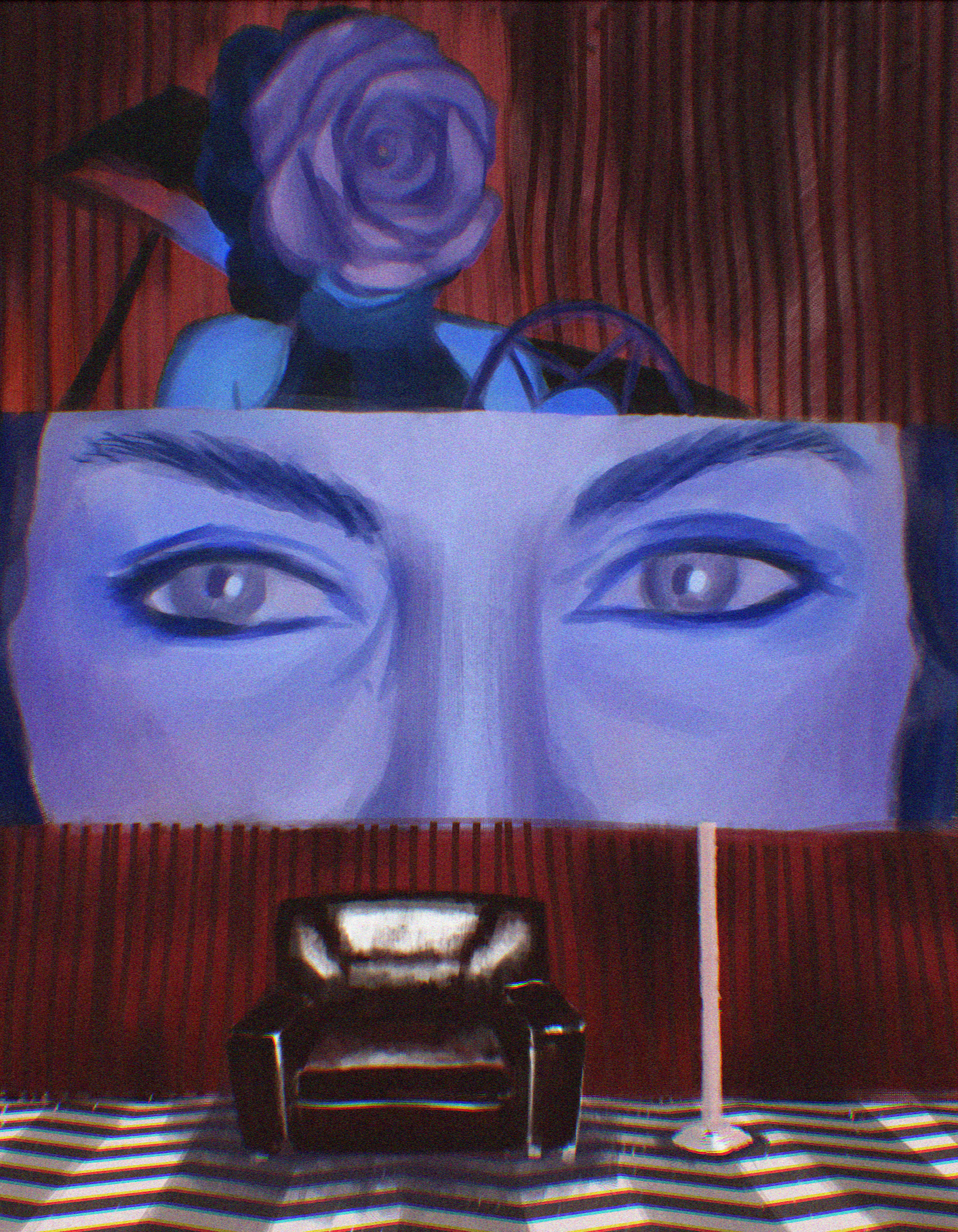
Illustration by Iman Jafrani.
As I reflect on the first anniversary of David Lynch's passing, I cherish the moment I first fell in love with his art. Several years ago, I signed up for a Criterion Channel free trial to continue my zombie movie binge with David Cronenberg's Rabid. Instead, I came across another David. After finishing Mulholland Drive, its ending was the most certain I ever felt about a film, despite being totally bewildered. While all the Letterboxd reviews and video essays were plagued by explanations, my heart indulged in feeling before my mind comprehended what I saw. Although I take no issue with analysis, I have a problem with people forgetting how to feel first.
It stems from the fear that you can’t “understand” his art. Sure, you’ll be puzzled, but why let confusion stop you from engaging with art? It’s easy to fall into this trap when gatekeepers police meaning, alienating an audience before they have a chance to become fans. They dissect him until nothing remains, gutting their hearts in the process to produce a simple explanation for the unexplainable. These cinephiles cannot comprehend that the meaning of his art is what you make of it. In this regard, the seemingly impossible feat of understanding David Lynch can be overcome by letting your heart direct meaning.
If you're still seeking answers, I suggest reading his autobiography, Catching the Big Fish. I read it one afternoon at Crave, soundtracked by Angelo Badalamenti. In his chapter, "Intuition," Lynch writes, "People sometimes say they have trouble understanding a film, but I think they understand much more than they realize. Because we're all blessed with intuition—we really have the gift of intuiting things" (19). Thus, we can understand his art without reasoning. Analyses wait. Questions go unanswered. When we create our own meanings that are unique to our experiences, explanations become meaningless as we revel in our bewilderment.
Remembering David Lynch and his everlasting legacy must come with this understanding. Our hearts are the escape from his maze of meaning, and gatekeepers can't escape if their heads are stuck up their asses. So, when Diane cries at the dinner table, shed tears with her before solving the blue box. As you hear Dorothy sing "Blue Velvet," listen first before deciphering the lyrics. And don't question why Eraserhead is his most spiritual film.